
Most people glance at their balance and close the app. But your bank statement, read carefully, reveals hidden fees, sneaky charges, and early signs of fraud you would otherwise miss.
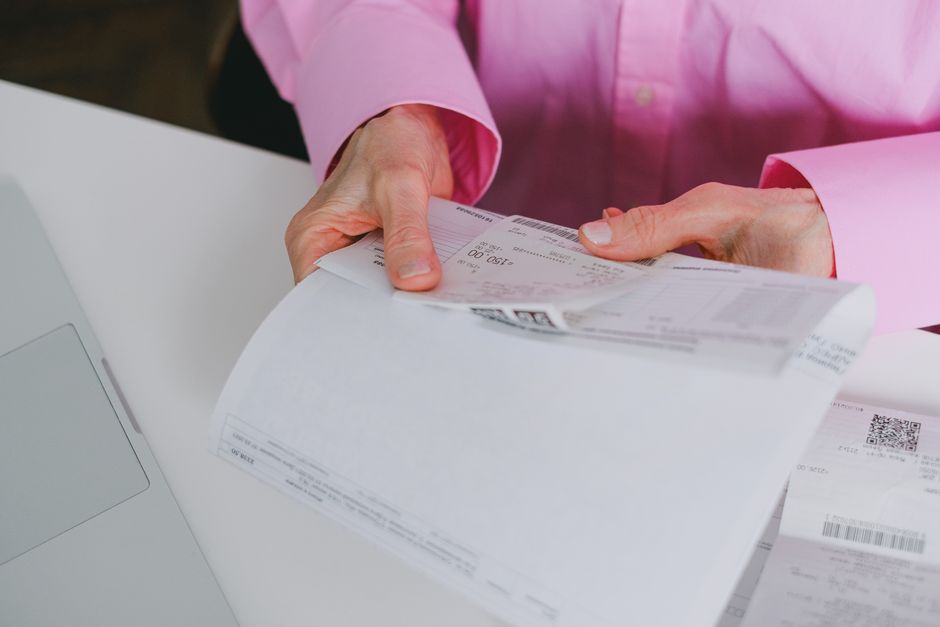
Start With the Summary Numbers
Every statement opens with a summary: your beginning balance, total deposits, total withdrawals, and ending balance. These four numbers tell the whole month’s story at a glance. Before diving into details, confirm the ending balance matches what your account currently shows, because a mismatch there points to a problem worth chasing down immediately.
The beginning balance should equal last month’s ending balance. If it does not, something is off, and that mismatch is worth investigating right away. This simple continuity check is the fastest way to catch an error or an unexpected adjustment the bank made without clearly telling you, and it takes only a few seconds to perform each month.
Compare the deposit and withdrawal totals to your rough expectations. If withdrawals are far higher than you remember, that surprise is your cue to read the line items closely. The summary is a map; when it looks wrong, the detail lines tell you exactly where to look, so you never have to comb through everything unless the top-level numbers warrant it.
Read the Deposits Carefully
Move next to the credits, the money that came in. Verify that every expected deposit is present and in the right amount: your paycheck, any transfers, refunds, and interest. A missing or short deposit is easy to overlook and important to catch quickly, especially when it is income you were counting on to cover upcoming bills.
Watch especially for deposits that post later than you assumed. A paycheck that lands a day after you expected can explain a timing crunch or a near-overdraft you did not understand at the time. Knowing exactly when money becomes available, not just when it is sent, helps you plan around real availability rather than optimistic guesses.
Also look for any credit you do not recognize. An unexpected deposit sounds like good news, but it can be a bank error you will later be asked to return, or a sign of confusion between your accounts. Understanding every incoming line keeps your picture accurate, and spending mystery money you were never entitled to only creates a painful reckoning later.
Scrutinize the Withdrawals and Charges
The withdrawals section is where most of the useful detail lives. Go through it line by line and match each charge to a purchase you remember. Cross-reference dates, amounts, and merchant names. Anything you cannot place deserves a closer look before you move on, because the charges you skip are exactly the ones a system would want you to ignore.
Pay attention to how merchants appear, because the name on the statement often differs from the storefront you visited. A payment processor’s name or an abbreviated code can make a legitimate charge look foreign and alarming. Learn your regulars so a genuinely unknown entry stands out clearly against the familiar ones you can safely recognize at a glance.
This is also where you catch fraud early. Small, unfamiliar charges are a classic test thieves run before attempting larger ones. Reviewing every withdrawal monthly means you spot these probes fast, dispute them, and shut down a compromised card before real damage is done, which is far easier than untangling a drained account after the fact.
Hunt Down Fees and Recurring Charges
Banks bury fees in the line items, and they add up faster than most people realize. Look specifically for maintenance fees, ATM charges, overdraft penalties, and foreign transaction costs. Many of these are avoidable once you actually see them, whether by changing account types, meeting a balance requirement, or adjusting your habits slightly.
List every recurring charge you find: subscriptions, memberships, and automatic bills. The statement is the honest record of what is actually pulling money each month, including the services you forgot you were paying for entirely. This monthly sweep is one of the easiest ways to reclaim wasted cash, and it routinely uncovers charges people swear they had already canceled.
Finally, keep your statements and build the habit of reviewing them the moment they arrive. A consistent, line-by-line read turns your statement from a boring formality into a powerful tool. It protects you from fraud, exposes quiet fees, and keeps every dollar in your account fully accounted for month after month without fail.
Reconcile and Keep Records
Reading the statement is only half the job; reconciling it against your own records completes the picture. Compare what you tracked during the month with what the bank reports, and investigate any gap, since either your records or the bank’s could be the one that is wrong.
Save your statements somewhere organized, whether digital or paper. They serve as proof of payment, documentation for taxes, and a history you can search when a dispute or question arises months later about a charge you no longer clearly remember.
Over time, this discipline builds a deep familiarity with your own money. You start to know your patterns so well that anything abnormal jumps out instantly, which is the strongest fraud protection and the surest sign that you are truly in command of your finances. What began as a tedious line-by-line chore becomes second nature, and a document most people never open turns into one of the most useful tools you own for guarding every dollar you earn.