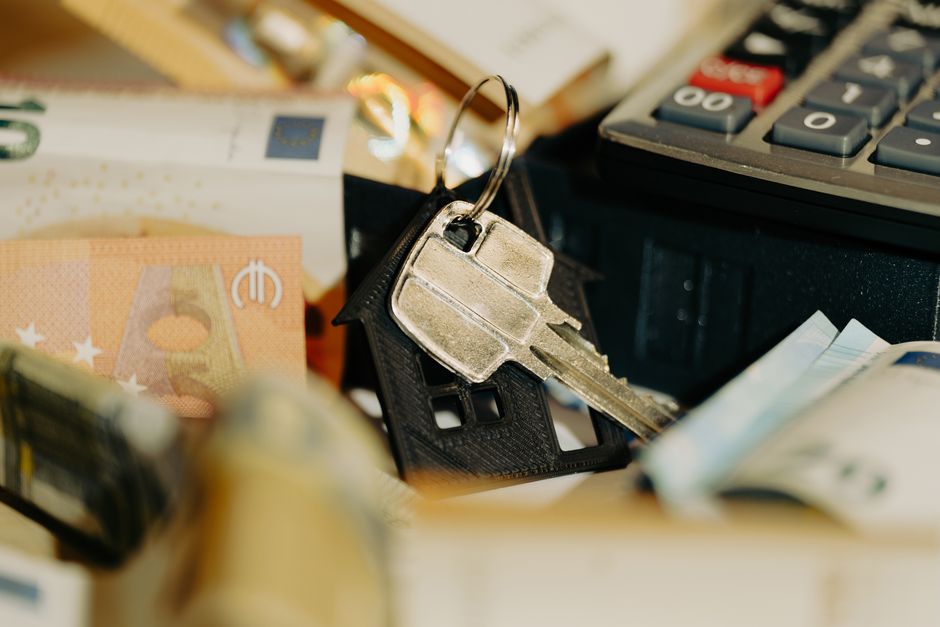

Two accounts, two very different jobs. Put money in the wrong one and you lose interest, flexibility, or both without ever noticing the cost.
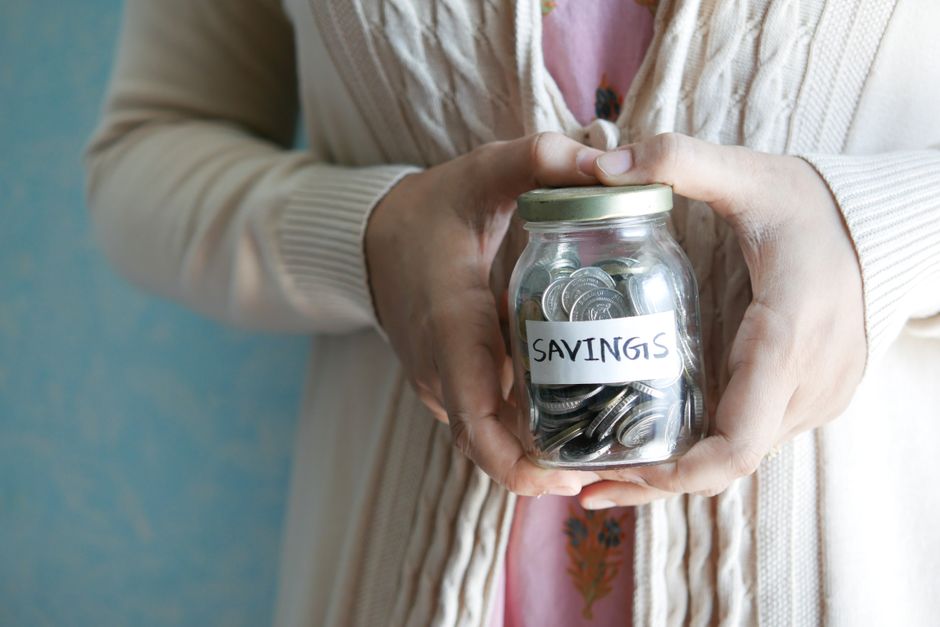
What a Checking Account Is Actually Built For
A checking account exists for movement. It is designed to handle a high volume of transactions, including debit card swipes, direct deposits, automatic bill payments, and the occasional paper check, all without penalty for frequent activity.
Because checking accounts are built for constant use, most of them pay very little interest, often close to nothing at all. The tradeoff is convenience: unlimited transactions, easy access through a debit card, and same-day availability for the money you need right now.
Think of checking as the account for anything you plan to spend within the next thirty days. Rent, groceries, utilities, and subscription charges all belong here, where the money is instantly reachable and never locked away from you.
Holding too much money in checking, however, means missing out on the interest that a savings account could otherwise be earning on the same dollars sitting idle.
Many checking accounts also come bundled with useful tools such as early paycheck access, spending category breakdowns, and fee-free overdraft cushions, which add practical value beyond the account’s low interest rate. These features matter more for day-to-day money management than a marginally better yield would, since checking is not meant to be your primary wealth-building tool in the first place.
What a Savings Account Is Actually Built For
A savings account exists for growth and separation. It is designed to hold money you are not spending right away, while paying you interest simply for letting it sit and accumulate over time.
Many banks limit certain types of savings withdrawals or discourage frequent transfers, which is actually a helpful feature rather than a flaw. That friction creates a small psychological barrier between your spending money and your saved money, making impulsive dips into savings less likely.
Emergency funds, upcoming vacation money, a down payment fund, and holiday gift savings all belong in a dedicated savings account, ideally one that is separate from your everyday checking so you are not tempted to blend the two.
A high-yield savings account, often available through an online bank, can pay many times the interest rate of a traditional brick and mortar account for the exact same balance, with no extra effort required from you.
The interest rate difference compounds meaningfully over time, so even a modest amount parked in a savings account for several years can grow into a noticeably larger sum simply from choosing the right home for it. This makes the savings account less of a passive holding spot and more of a quiet, ongoing contributor to your overall financial progress.
How Much Should Sit in Each Account
A common and reasonable approach is to keep one to two months of typical expenses in checking, enough to comfortably cover bills without running the balance dangerously close to zero.
Everything beyond that comfortable checking cushion generally belongs in savings, where it can earn meaningful interest while still remaining accessible within a day or two whenever you actually need it.
If your checking balance regularly climbs far above your monthly spending needs, that is a clear signal you are leaving free interest on the table by not moving the extra money into a savings account.
Reviewing this split every few months, especially after a raise or a change in your regular bills, keeps the balance appropriate as your financial life naturally evolves.
Using Automatic Transfers to Keep the Split Working
Manually moving money between checking and savings works, but it depends entirely on remembering to do it, which is exactly the kind of habit that quietly fades after a few busy months.
Setting up an automatic transfer on payday, even a modest fixed amount, ensures your savings account keeps growing without requiring any ongoing willpower or memory on your part.
Many banking apps also let you create sub-accounts or labeled savings buckets for specific goals, such as a car repair fund or a holiday travel fund, all while keeping the underlying interest rate benefits of a single savings account.
This kind of structure turns the checking and savings split from a one-time decision into an ongoing system that quietly keeps working in the background of your financial life.
Common Mistakes People Make With the Two Accounts
One frequent mistake is using a savings account for bill payments, which can trigger fees on some accounts and slowly erodes the very separation that makes savings effective in the first place.
Another mistake is leaving thousands of dollars sitting in a checking account earning close to zero interest simply out of habit or a fear of moving money around.
Some people also open a savings account and then forget about it entirely, missing the chance to compare its rate against newer, better-paying options that may exist elsewhere in the market.
Treating checking and savings as two active, intentional tools rather than one static holding pen for all of your money is what actually makes this simple structure pay off over time.
A quick quarterly check-in, comparing your actual spending against what sits in checking and confirming your savings rate is still competitive, keeps this system from quietly drifting out of balance as your income and expenses change over the months ahead.
None of this requires complicated spreadsheets or financial software, since the entire approach relies on two clearly defined accounts and a small amount of periodic attention rather than constant daily monitoring.
Over time, this simple habit of matching each dollar to the right account tends to reduce financial stress noticeably, since you always have a clear, current answer to the question of how much money is truly available to spend today.