

Water bills creep up quietly through small leaks and habits nobody notices day to day. A handful of low-cost fixes brings that monthly number back down fast.
Finding the Leaks That Are Costing You Every Month
A running toilet is one of the most common sources of wasted water in a home, and it is often silent enough to go unnoticed for months. Add a few drops of food coloring to the tank and check the bowl fifteen minutes later without flushing; color appearing means the toilet is leaking.
Check your water meter for movement when every fixture in the house is off and no one is using water. If the meter still ticks forward, a hidden leak somewhere in the plumbing is likely running up your bill without any visible sign inside the house.
Dripping faucets seem minor but a steady drip can waste several gallons a day. Replacing a worn washer or cartridge inside the faucet is usually an inexpensive fix, and many hardware stores sell repair kits matched to common faucet brands for a few dollars.
Outdoor hose bibs and irrigation connections are easy to overlook during a leak check since they sit outside where a small drip can seep into the ground unnoticed. Walking the perimeter of your home after connecting a hose or sprinkler is a simple way to catch a slow outdoor leak early.
Bathroom Habits That Make the Biggest Difference
Showers typically account for a large share of household water use, so shaving even a couple of minutes off a daily shower adds up significantly across a month. A simple waterproof timer or a phone alarm can help build awareness without requiring you to guess.
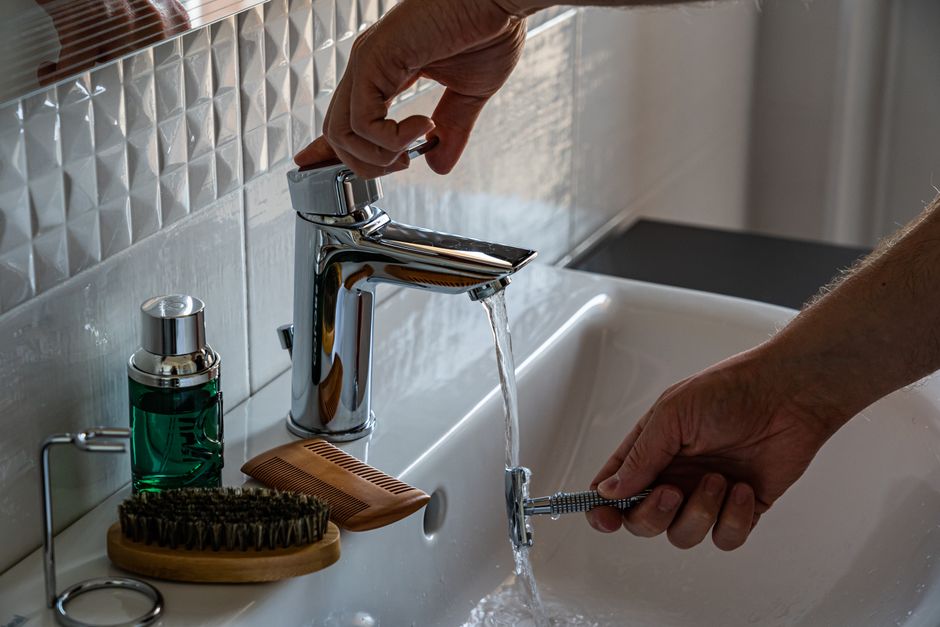
Turning off the tap while brushing teeth or shaving, rather than letting water run the entire time, is a small habit that costs nothing and saves a surprising amount of water over weeks and months of repetition.
Older toilets can use significantly more water per flush than newer low-flow models. If replacing the toilet is not in the budget, placing a filled, sealed plastic bottle in the tank reduces the amount of water used per flush at no cost.
Running a bath uses considerably more water than a short shower in most households, so reserving baths for occasional relaxation rather than a daily routine, especially for a full-size tub, can meaningfully reduce total water use over the course of a month.
Kitchen and Laundry Adjustments Worth Making
Running the dishwasher and washing machine only with full loads makes each cycle’s water use count for more items, rather than running a half-empty cycle that uses nearly the same amount of water for far fewer dishes or clothes.
Soaking pots and pans instead of running the faucet continuously while scrubbing saves water and often loosens stuck food more effectively anyway, cutting down on scrubbing time as a side benefit.
Choosing the appropriate cycle length and water level setting on your washing machine, rather than always defaulting to the largest load setting, matches water use to the actual size of the laundry load and avoids unnecessary waste.
Running the garbage disposal sparingly and scraping food scraps into the trash or a compost bin first, rather than flushing everything down with a long stream of running water, cuts an often-overlooked source of daily kitchen water use.
Outdoor Water Use and Seasonal Adjustments
Watering the lawn or garden early in the morning or in the evening, rather than during the heat of the day, reduces water lost to evaporation and means more of what you use actually reaches the roots of your plants.
A simple rain gauge or even an empty tuna can placed in the yard helps you track how much natural rainfall your lawn has already received, so you can skip watering entirely after a good rain instead of running the sprinkler out of habit.
Adjusting sprinkler timers seasonally, reducing frequency in cooler months and after rainfall, prevents the common mistake of leaving an automatic system running on the same summer schedule year round regardless of actual weather conditions.
Choosing native or drought-tolerant plants for garden beds reduces long-term watering needs far more than any single habit change, since these plants are adapted to survive on local rainfall alone once established, often requiring supplemental watering only during the driest stretches of summer.
Low-Cost Fixtures That Pay for Themselves Quickly
Low-flow showerheads and faucet aerators are inexpensive, simple to install with basic tools, and immediately reduce the amount of water used per minute without a noticeable difference in water pressure for most households.
Many local water utilities offer free or discounted low-flow fixtures as part of a conservation program. Checking your utility’s website before purchasing anything yourself can turn this upgrade into an entirely free change.
Track your water bill for a few months after making changes to see which adjustments had the biggest impact. Utilities often show usage history in gallons, letting you compare month to month and confirm that your new habits are actually working as intended.
If your water bill still looks unusually high after making these changes, it may be worth requesting a professional leak detection visit, since some leaks occur underground between the meter and the house and are impossible to spot through a simple visual inspection alone.
Many utilities also offer a bill alert service that notifies you by text or email if your usage suddenly spikes well beyond your normal pattern. Signing up for this kind of alert catches a serious leak within days rather than waiting a full month to see the damage on a bill.