

Not all gig miles pay the same. Here is how rideshare and delivery drivers compare platforms, time their shifts, and track true hourly pay after expenses.
Comparing Rideshare and Delivery Platforms
Rideshare driving typically pays more per trip than food or grocery delivery, since passenger fares reflect distance and time rather than a flat delivery fee. However, rideshare trips often involve more idle time waiting for a match in lower-demand areas, which can quietly lower your real hourly rate even when individual fares look attractive.
Delivery apps for restaurants, groceries, or retail orders tend to offer shorter, more frequent trips, which can add up to steady income during lunch and dinner rushes. Many drivers run two or three delivery apps simultaneously, accepting whichever order comes in first, a practice sometimes called stacking that can meaningfully increase orders completed per hour.
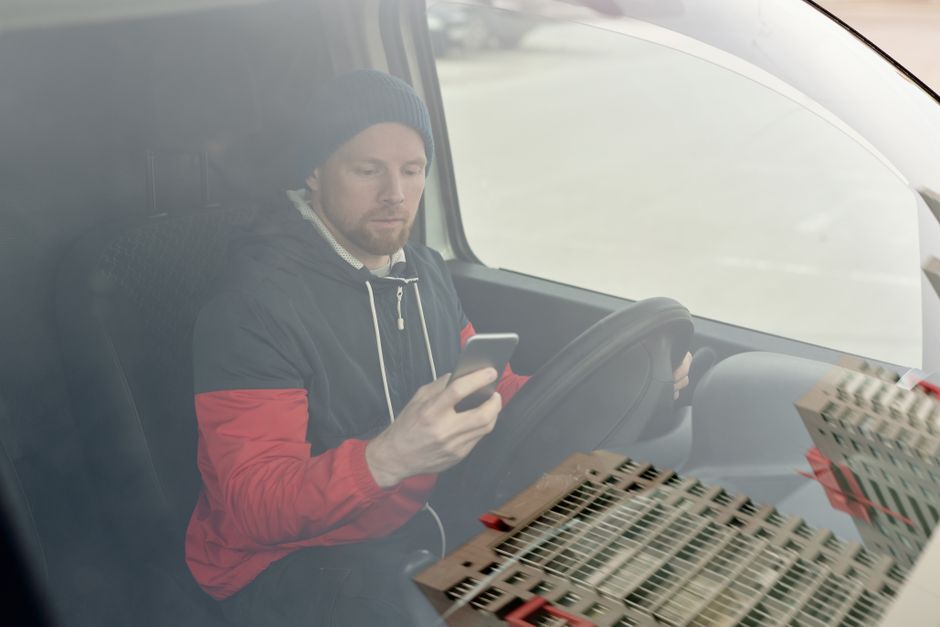
Running multiple apps at once requires some judgment. Toggling between several screens while driving is unsafe, so most experienced drivers set a phone mount with clear notifications and decide in advance which app takes priority during busy stretches, rather than trying to compare every incoming offer in real time.
It also helps to periodically pause and evaluate whether stacking multiple apps is actually paying off, since juggling notifications and accepting orders from more than one platform can occasionally lead to missed pickup windows or overlapping commitments. Tracking completed orders per hour under each approach for a week or two gives a clearer answer than guessing.
Timing Your Shifts Around Peak Demand
Demand for rides and deliveries follows predictable daily and weekly patterns. Weekday lunch and evening dinner windows tend to bring a steady flow of delivery orders, while Friday and Saturday nights typically bring the highest rideshare demand, especially near entertainment districts and areas with bars or event venues.
Many platforms display real-time heat maps or surge indicators showing where demand currently exceeds available drivers. Positioning yourself near, but not directly inside, these zones before a shift starts often produces better results than driving in circles waiting for a surge notification to appear.
Special events such as concerts, sporting events, and holidays create short but intense demand spikes. Checking a local event calendar before choosing when and where to drive can turn an average shift into a noticeably more profitable one, particularly for drivers willing to work slightly later hours.
Understanding Your True Vehicle Costs
Gross fares and delivery fees look appealing until vehicle costs are subtracted, and many new gig drivers underestimate how much fuel, maintenance, and depreciation eat into their earnings. Every mile driven for a gig platform adds wear that shortens the life of tires, brakes, and the engine, not just the fuel tank.
Tracking mileage carefully matters for two reasons: it reveals your real per-mile cost, and it supports a valuable tax deduction discussed further below. A simple mileage tracking app that runs in the background during active gig hours removes the guesswork of manually logging trips.
Vehicle choice matters more than many drivers initially assume. A fuel-efficient, reliable used vehicle with low maintenance costs will almost always outperform a larger or newer vehicle once true cost per mile is calculated, even if the larger vehicle qualifies for slightly higher delivery or rideshare tiers.
Setting aside a small amount from every payout specifically for future repairs, such as brake replacements or a timing belt service, prevents an unexpected mechanical bill from wiping out a month of gig earnings. Treating vehicle maintenance as a routine business expense, rather than a surprise cost, keeps the numbers realistic.
Calculating Your Real Hourly Rate
The number that matters most is not total weekly earnings but net hourly pay after subtracting fuel, estimated maintenance, and unpaid waiting time. A shift that generates a large total in fares but includes long idle stretches between rides can produce a lower real hourly rate than a shorter, more efficient shift.
Keep a simple log for a few weeks noting total hours logged into the app, total miles driven, and total earnings before and after estimated expenses. This exercise often surprises drivers, revealing that certain days of the week or specific time blocks are meaningfully more profitable than others once true costs are included.
Use this data to trim unproductive hours rather than simply driving more. Many drivers increase their real hourly pay by working fewer, better-timed hours instead of extending shifts into low-demand periods that add mileage and expenses without proportional earnings.
It can also help to compare your results week over week rather than day to day, since a single slow shift is not always meaningful on its own. Looking at a rolling average over several weeks reveals whether a schedule change actually improved earnings or whether the difference was simply normal week-to-week variation in demand.
Simple Ways to Increase Your Earnings
Maintaining a strong customer rating opens access to better order types and occasional bonus incentives that many platforms reserve for top-rated drivers. Small habits, such as friendly communication and careful handling of food or packages, tend to compound into a meaningfully higher rating over time.
Referral bonuses and platform-specific incentive programs, such as completing a set number of trips within a bonus window, can add a noticeable boost to weekly earnings. Reading the terms of these programs closely before committing extra hours ensures the bonus structure actually fits your available schedule.
Finally, periodically compare the platforms available in your area rather than assuming your current choice remains the best option. Fee structures, bonus programs, and local demand shift over time, and drivers who reassess every few months often find meaningful gains simply by adjusting which apps they prioritize.