
Major carriers and discount plans often use the exact same towers. The difference is mostly the bill, and switching takes less effort than expected.
How Discount Carriers Offer the Same Coverage for Less
Most discount or budget carriers in the United States do not own their own cell towers. Instead, they lease network access wholesale from one of the major carriers, meaning your calls and data travel over the same physical towers you were already using, just billed under a different company name.
Because these discount carriers spend far less on retail stores, advertising, and customer service infrastructure, they can offer plans at a fraction of the price of the major carrier operating the same network, passing the savings directly to customers willing to skip some of the extra perks.
The tradeoff usually shows up in customer service speed and occasionally in data prioritization during network congestion, since major carrier customers are typically served first on the shared towers. For most everyday users outside of extremely crowded events or disaster situations, this difference is rarely noticeable.
Some discount carriers are owned directly by one of the major networks as a secondary budget brand, while others are fully independent companies simply leasing access. Either way, the underlying coverage map is usually identical to the parent network, which is worth confirming directly on the carrier’s own coverage page.
Checking Whether Your Phone Will Work on a New Carrier
Most modern smartphones are compatible with multiple carriers as long as the phone is unlocked, meaning it is not tied exclusively to your current provider. Checking your phone’s lock status usually takes a quick call or chat with your current carrier, or a look in your phone’s settings menu.
If your phone is locked, most carriers are required to unlock it once your original contract or installment plan is paid off, and many will unlock it upon request even sooner. This step is worth handling before you commit to a new plan to avoid a gap in service.
Discount carriers typically publish a device compatibility checker on their website where you can enter your phone’s identification number to confirm it will work on their network before you commit to switching, removing most of the guesswork from the process.
Older phones, particularly some budget or heavily subsidized models originally sold under a strict carrier lock, occasionally lack support for certain network bands used by a discount carrier. Checking compatibility before canceling your current plan avoids the inconvenience of being left without reliable service mid-switch.
Comparing Plans Based on What Your Household Actually Uses
Pull up your last three months of phone bills and note your actual data usage, not the amount included in your current plan. Many households pay for far more data than they use each month simply because they never checked the real number.
Family plans through discount carriers can offer some of the largest savings, since splitting a shared data pool across several lines usually costs significantly less per line than each person maintaining a separate individual plan through a major carrier.
Consider whether you genuinely need unlimited data or whether a set data amount, refilled monthly, covers your actual habits. Many users default to unlimited plans out of caution despite using a small fraction of the allowance most months.
International calling and texting needs, if relevant to your household, are worth checking separately, since some discount carriers charge extra for features that a major carrier bundles in by default. Comparing the full feature list, not just the headline monthly price, prevents an unpleasant surprise later.
Making the Switch Without Losing Your Number or Service
Transferring your existing phone number to a new carrier, known as porting, is standard practice and does not require getting a new number. Have your account number and PIN from your current carrier ready, since the new carrier will need this information to complete the transfer.
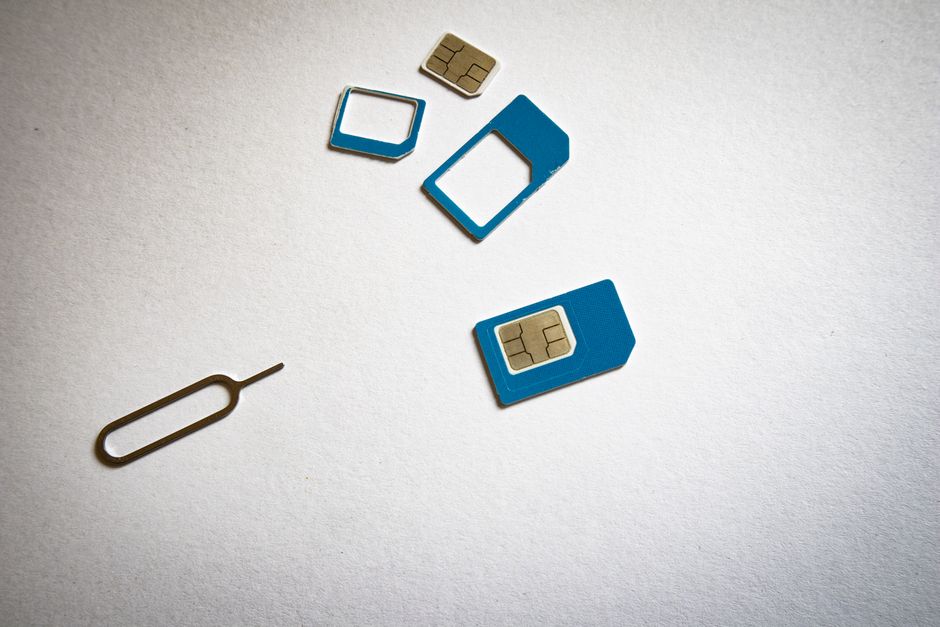
Keep your old service active until the new SIM card or eSIM is fully activated and confirmed working, including test calls and texts, rather than canceling the old line the moment you sign up with the new carrier.
Plan the switch for a day when you do not urgently need your phone for a few hours, since porting can occasionally take longer than expected. Weekday mornings tend to see faster processing than weekends or evenings when support lines are busier.
What to Watch for After You Switch
Review your first full bill from the new carrier carefully, checking for one-time activation fees or a prorated first month that can make the initial bill look higher than the ongoing monthly rate you were promised.
Test your phone’s signal and data speed in the places you actually spend time, home, work, and your regular commute, during the first couple of weeks rather than assuming coverage maps online perfectly reflect your real experience.
Set a reminder to review your plan again after six months, since discount carriers frequently introduce new lower-priced plans, and staying on an older plan out of inertia can mean missing a better deal that a brand new customer would receive automatically.
Keep a simple note of your monthly bill amount for the first year after switching, comparing it against what your old carrier would have charged for the same usage. Seeing the total savings written out plainly, month after month, makes it far easier to stay confident and satisfied with the decision to switch carriers for good.