Big purchases go wrong when they are rushed. Here is a simple framework to plan for one calmly, on your own timeline and terms.
Defining What Counts as a Big Purchase
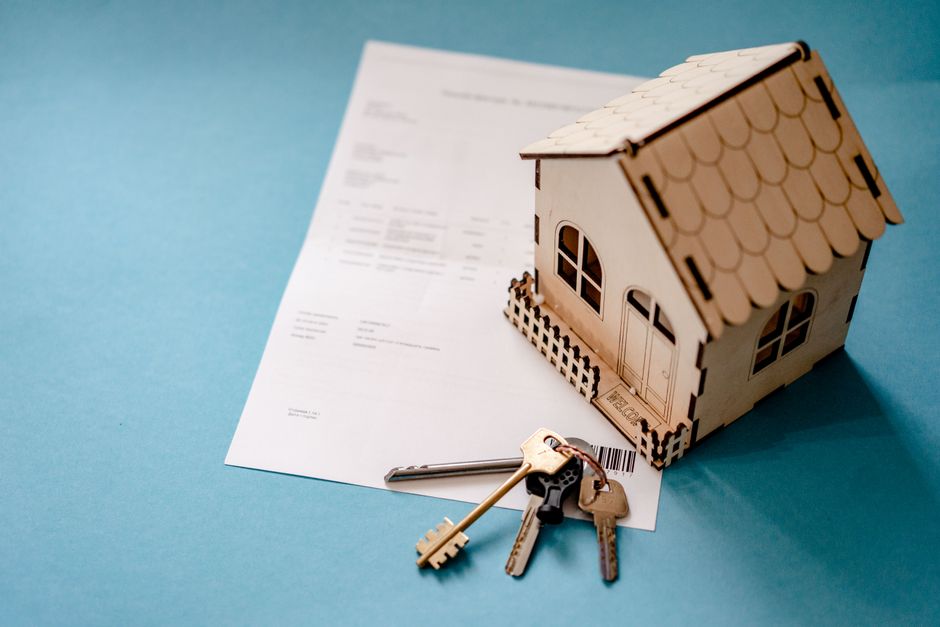
A big purchase is any expense large enough that paying for it noticeably changes your monthly cash flow or requires dipping into savings you have carefully built up over time. This commonly includes a car, a home, a wedding, or major and unavoidable home repairs.
The exact dollar threshold naturally differs for every single household, so the more useful definition is behavioral rather than numerical: if the purchase genuinely requires real planning rather than simply swiping a card, treat it as a big purchase that deserves its own dedicated process.
Recognizing early that a purchase falls into this category gives you the runway needed to plan properly, rather than scrambling later to fund a large expense that arrives sooner than originally expected.
It also helps to distinguish between a big purchase that is fully optional, such as an upgraded vehicle, and one that is largely necessary, such as an urgent roof repair, since the planning urgency differs meaningfully between the two.
Writing down which category a purchase falls into at the very start helps set the right tone for the rest of the planning process, whether that means a relaxed multi-year timeline or a more urgent near-term push.
Setting a Realistic Timeline
Start by estimating honestly how far away the purchase realistically sits. A car needed within six months requires a very different savings pace than a home down payment being planned three full years out.
Work backward carefully from your target date to calculate how much you genuinely need to set aside each month. This turns an abstract future expense into a concrete, trackable monthly number you can actually plan around.
Build in a reasonable buffer for the unexpected along the way. Prices change, timelines shift, and a cushion of even ten percent above your estimated cost helps absorb genuine surprises without derailing the rest of your broader financial plan.
Revisit this timeline every few months rather than setting it once and forgetting about it entirely. Prices for cars, homes, and services shift over time, and an outdated estimate can quietly throw off an otherwise solid plan.
Separating the Purchase From Everyday Money
Keep savings earmarked for a specific big purchase in a dedicated account, separate from your everyday checking and general savings. This simple separation prevents the funds from quietly blending into money set aside for other unrelated purposes.
A dedicated account also makes real progress genuinely visible over time. Watching one specific balance grow steadily toward a specific target tends to be far more motivating than watching a single combined account rise and fall for many different reasons all at once.
If the purchase is more than a year away, consider carefully whether the funds should sit somewhere that keeps pace slightly better with inflation, while still remaining fully accessible right when the purchase date finally arrives.
Some people label this dedicated account directly with the purchase name inside their banking app, which reinforces the specific goal every time the account is checked and reduces the temptation to dip into it for other spending.
If more than one big purchase is being saved for at the same time, keep each one in its own clearly labeled account rather than combining them, so progress toward each individual goal stays easy to see at a glance.
Evaluating the True Total Cost
Look well beyond the sticker price to the full genuine cost of ownership. A car purchase includes insurance, ongoing maintenance, and fuel; a home purchase includes closing costs, property taxes, and ongoing maintenance well beyond the mortgage payment itself.
Underestimating these additional costs is genuinely one of the most common reasons a big purchase ends up creating financial strain well after the fact. Research typical cost ranges thoroughly before finalizing your overall savings target.
Add these ongoing costs into your monthly budget planning well before the purchase actually happens, not after the fact. This way, the purchase itself does not become the exact moment you discover your monthly cash flow no longer comfortably works.
Talking with someone who already owns a similar car or home can surface real-world costs, like unexpected repairs or fees, that generic online estimates frequently miss entirely.
It is also worth pricing out financing terms carefully rather than focusing only on a monthly payment figure. A longer loan term can lower the monthly amount while quietly increasing the total interest paid over the life of the loan.
Deciding Between Waiting and Moving Forward
Once your savings target is close, take a genuine step back and evaluate whether the current timing still makes sense given your broader financial picture, including your other goals and any planned upcoming changes in income.
A big purchase does not need to happen the very moment funds finally become available. Waiting a few additional months for better timing, better pricing, or simply better personal readiness rarely undoes the value of careful advance planning.
Make the final decision using your written plan rather than in-the-moment enthusiasm. A plan built calmly in advance is a far better guide than a decision made while standing in a showroom or an open house.
If the numbers still do not quite work when the target date arrives, treat that as useful information rather than a failure. Extending the timeline by a few months is almost always a better outcome than stretching your budget past its actual limits.
A calm, well-documented plan also tends to reduce buyer’s remorse afterward, since the decision was made deliberately over time rather than in a single rushed moment driven mostly by emotion or outside pressure.