
Food waste is money thrown straight into the trash can every single week, and a short planning habit keeps both your fridge and your grocery budget under control.
Planning Meals Around What You Already Have
Before writing a new meal plan, check your fridge, freezer, and pantry for ingredients that need to be used soon. Building even two or three meals around existing items each week prevents food from expiring unused and reduces how much you need to buy at the store.
A rough weekly plan, even a loose list of five dinners rather than a rigid schedule, gives your grocery trip a clear purpose. Walking into a store without a plan is one of the most reliable ways to overbuy ingredients that later go to waste.
Plan meals that share ingredients on purpose. If one recipe calls for half a bag of spinach, choose a second meal that uses the rest, rather than buying a fresh bag for each recipe and letting extra produce wilt in the crisper drawer.
Include one flexible meal in every weekly plan, something like a stir fry, a frittata, or a soup that easily absorbs whatever vegetables or proteins are closest to expiring by the end of the week. This built-in catch-all meal is often the single biggest food waste reducer in a plan.
Building a Shopping List That Matches Your Plan Exactly
Write your shopping list directly from the meal plan, checking your pantry inventory item by item so you only buy what is actually missing. This single habit prevents the most common source of grocery overspending, which is buying duplicates of things you already own.
Organize the list by store section, produce, dairy, pantry, and so on, so you move through the store efficiently and are less likely to wander into aisles that trigger unplanned purchases. A faster, more focused trip naturally means less impulse buying.
Leave a small flexible category on the list for fresh produce that looks particularly good or discounted that day, since being too rigid can mean missing a genuinely useful deal. The goal is a plan with structure, not one so strict it cannot adapt to what the store actually has.
Shopping on a full stomach rather than a hungry one is a small but genuinely effective habit, since hunger reliably increases impulse purchases of snacks and prepared foods that were never part of the original plan and often end up costing more per meal than home-cooked options.
Batch Cooking and Repurposing Ingredients Across the Week
Cooking a base ingredient in bulk, like a pot of rice, a tray of roasted vegetables, or shredded chicken, gives you a flexible building block for several different meals across the week without repeating the same dish twice.
Repurposing leftovers intentionally, turning one night’s roast chicken into a chicken salad or a soup later in the week, stretches a single grocery purchase across multiple meals and significantly reduces the amount of fresh food you need to buy mid-week.
Set aside one or two hours on a weekend day for prep work, chopping vegetables, cooking grains, or portioning proteins into containers. Having components ready to go makes weeknight cooking faster, which reduces the temptation to order takeout on a tired evening.
Freezing individual portions of a batch-cooked meal, rather than one large container, also makes it easier to grab exactly what you need for a single lunch or dinner without thawing more food than the moment calls for, further reducing the chance of leftovers going to waste.
Storing Food Properly So It Actually Gets Eaten
A large share of household food waste happens because items get pushed to the back of the fridge and forgotten. Keeping a visible first in, first out system, placing older items at the front and new purchases behind them, keeps everything within eyesight until it is used.
Learn the proper storage method for common produce, since many vegetables actually last longer outside the fridge or wrapped differently than most people assume. Potatoes, onions, and tomatoes, for example, generally do better at room temperature than chilled.
Freeze anything you will not use before it turns, including bread, shredded cheese, and even herbs chopped into ice cube trays with a little oil. A freezer full of rescued ingredients is effectively free food waiting for a future meal plan.
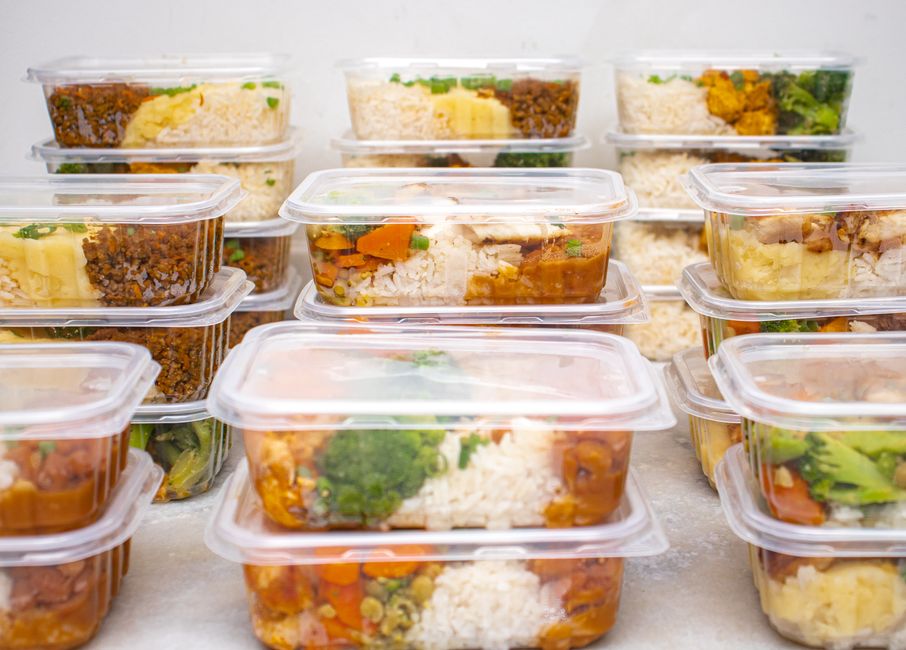
Clear containers rather than opaque ones make a noticeable difference in the fridge, since food you can actually see gets eaten far more reliably than food hidden in a solid container pushed toward the back. A quick glance should be enough to remind you what needs to be used soon.
Weekly Habits That Keep the System Running Long Term
Set a consistent day each week for planning and shopping, since a repeatable routine takes far less mental energy than deciding fresh every time. Many households find that planning right before the regular grocery trip works best, keeping the list and the shopping close together.
Do a quick fridge check the night before your shopping trip specifically looking for items nearing their expiration date, and build at least one meal around rescuing them. This single five minute habit prevents the majority of preventable food waste.
Track roughly how much you spend on groceries each week for a month or two. Seeing the number consistently helps you notice whether meal planning is actually reducing your spend over time, and small adjustments to portion sizes or ingredient reuse can improve the trend further.
Involve the whole household in the plan when possible, since meals chosen jointly are less likely to be skipped in favor of ordering something different at the last minute. A plan that reflects everyone’s preferences holds up better over a full week than one built alone.