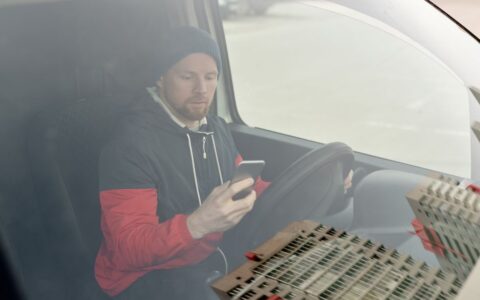

Gas prices are out of your control, but how much fuel you burn is not, and a few habits behind the wheel change that math fast.
Driving Habits That Directly Cut Fuel Consumption
Aggressive acceleration and hard braking are among the biggest fuel wasters, since rapid speed changes force the engine to work far harder than smooth, gradual driving. Easing into speed and anticipating stops early, rather than accelerating right up to a red light, can noticeably improve fuel economy over a tank of gas.
Highway speed matters more than most drivers realize. Fuel efficiency generally drops once you pass around sixty five miles per hour, since wind resistance increases sharply at higher speeds. Keeping to a steady, moderate speed on the highway rather than pushing toward the top of the speed limit saves fuel on every long drive.
Excess weight and unused roof cargo boxes both reduce fuel economy by adding drag and mass the engine has to move. Clearing out items you do not need for the trip and removing a roof rack or cargo carrier when it is not in use are quick, free adjustments.
Using cruise control on the highway whenever conditions allow helps maintain a constant speed more precisely than most drivers manage manually, avoiding the small, repeated accelerations that come from unconsciously speeding up and slowing down over long stretches of open road.
Trip Chaining and Route Planning to Burn Less Gas
Combining several short errands into a single trip, sometimes called trip chaining, saves gas because a cold engine burns noticeably more fuel in its first few minutes than a warm one. Running five separate short trips restarts that inefficient cold phase five times instead of once.
Plan your route before leaving rather than deciding turn by turn, since backtracking and unnecessary loops add up quickly across a week of errands. A navigation app that accounts for current traffic can also help you avoid idling in congestion, which burns fuel while covering zero distance.
Group errands by geography rather than by day of the week. Visiting the pharmacy, grocery store, and post office because they happen to sit along the same route saves more gas than visiting each one on a separate day purely out of habit.
Running errands right after a commute home, rather than making a separate dedicated trip later, uses an engine that is already warm and avoids the fuel penalty of a fresh cold start. Small scheduling choices like this reduce total mileage without requiring any extra planning effort.
Maintenance Checks That Quietly Improve Fuel Economy
Underinflated tires create extra rolling resistance, forcing the engine to work harder to maintain speed. Checking tire pressure monthly against the number listed on the driver door sticker, not the number printed on the tire itself, is a five minute habit with a real fuel economy payoff.
A clogged air filter restricts how much air reaches the engine, reducing efficiency in older vehicles especially. Air filters are inexpensive and simple enough to check yourself by holding the filter up to light and looking for how much is blocked by dust and debris.
Sticking to your vehicle’s recommended oil change and tune-up schedule keeps the engine running as designed. A poorly maintained engine, worn spark plugs, or dragging brakes all quietly increase fuel consumption in ways that are easy to overlook until a mechanic points them out during a routine visit.
Using the manufacturer-recommended grade of motor oil and fuel matters more than many drivers assume. A thicker oil than specified can increase internal friction, and using a higher octane fuel than your engine requires provides no efficiency benefit despite the higher price at the pump.
Finding the Cheapest Gas Without Wasting Time or Fuel
Gas price comparison apps show real-time prices at stations near your regular routes, letting you choose a cheaper option without a special trip. The key is comparing stations you would pass anyway, not driving out of your way, which can burn more in gas than the price difference saves.
Grocery store fuel rewards programs let you convert points earned on regular shopping into a per-gallon discount at an affiliated gas station. Since you are shopping for groceries anyway, this is one of the few gas savings methods that requires no extra effort at all.
Filling up earlier in the week can help in regions where prices tend to rise toward the weekend due to demand patterns. This pattern is not universal, so checking a local price-tracking app for a few weeks reveals whether your area follows a predictable weekly cycle worth timing around.
Rethinking How Often You Actually Need to Drive
Carpooling for a regular commute, even just two or three days a week with a coworker or neighbor, cuts your personal fuel cost for those trips by roughly half while also reducing wear on your vehicle.
Walking or biking for errands under a mile eliminates fuel cost entirely for those trips and often takes a similar amount of time once you account for parking. Short trips are also the least fuel-efficient miles you drive, since the engine never fully warms up.
If your employer allows a hybrid or remote schedule, even one additional remote day per week removes a full commute’s worth of fuel cost from your month. Reviewing your actual driving needs occasionally often reveals trips that were only happening out of routine rather than necessity.
Combining errands with a spouse, roommate, or neighbor who is heading in the same direction anyway is an easy way to eliminate a redundant drive entirely. A quick text asking whether someone else is already going to the pharmacy or the store can save an entire trip’s worth of fuel.